The Annapurna Circuit trek is not just a trek—it’s a journey through changing landscapes, cultures, and climates all in one trip.
Unlike many treks that follow a single environment, the Annapurna Circuit offers everything from lush forests to high mountain deserts. This diversity is what makes it one of the most unique trekking experiences in Nepal.
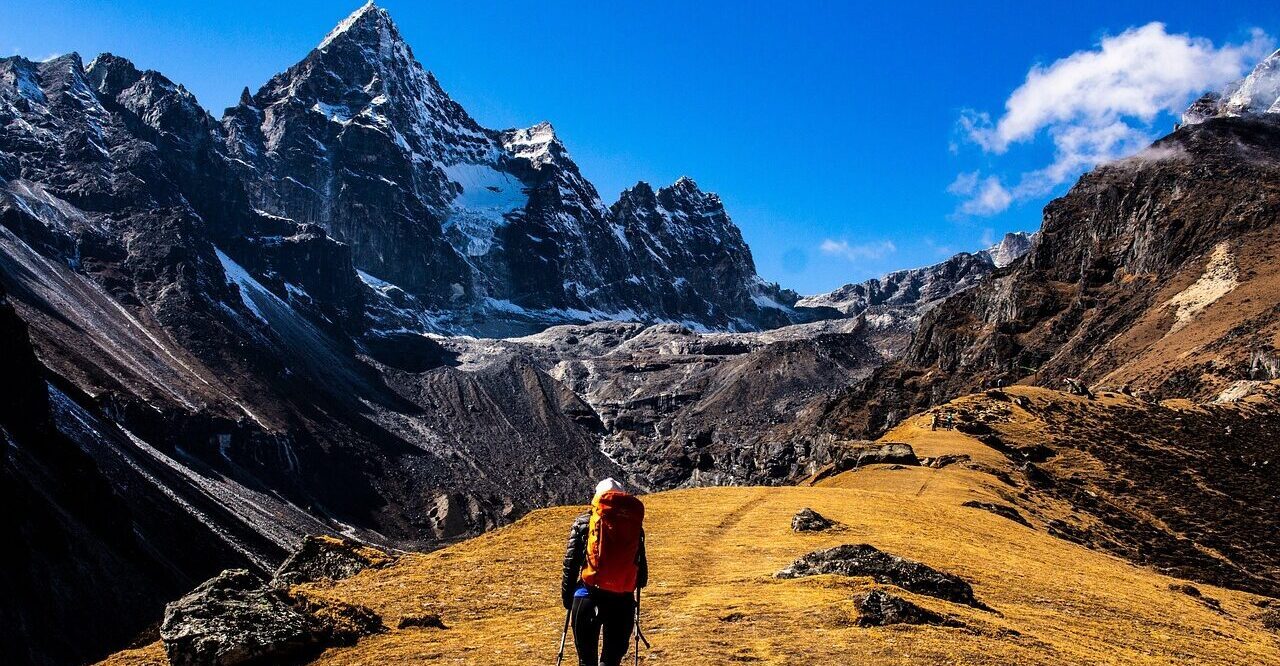
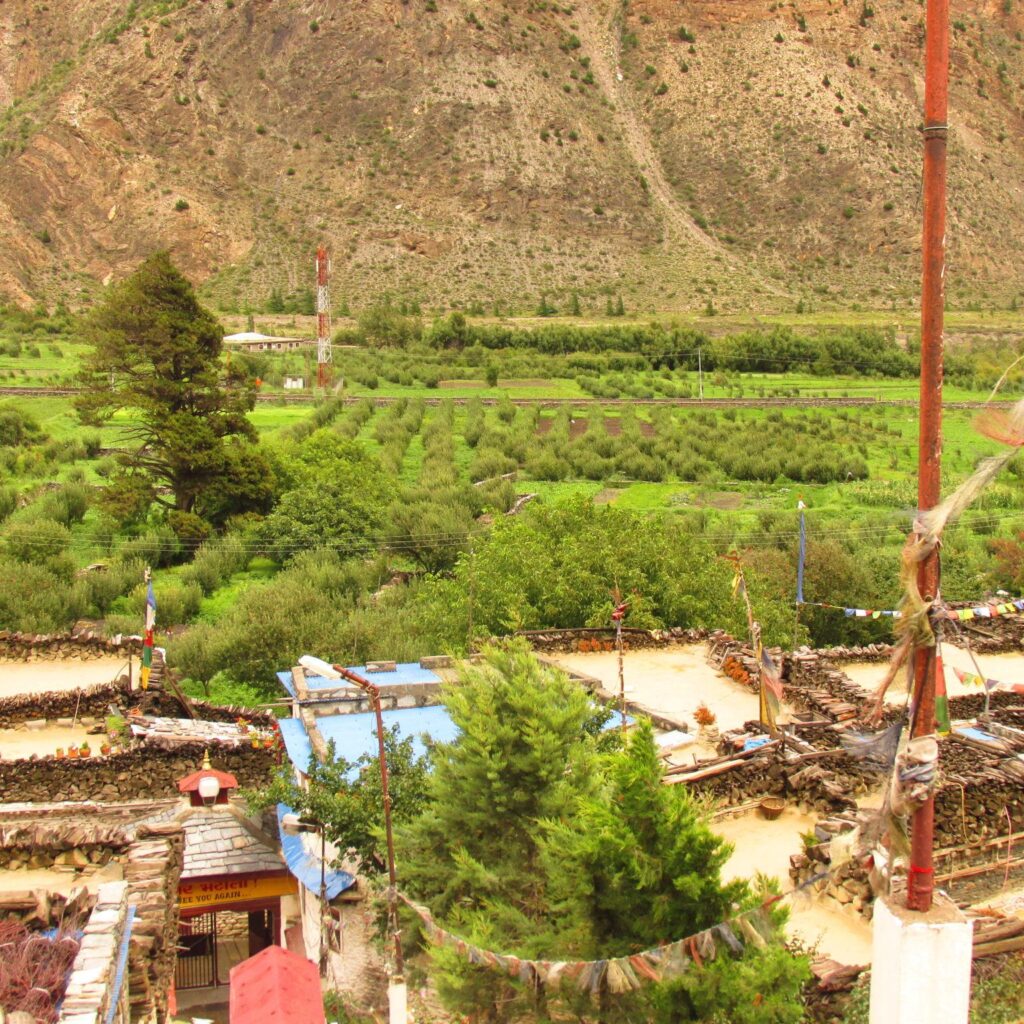
From Green Hills to Himalayan Heights
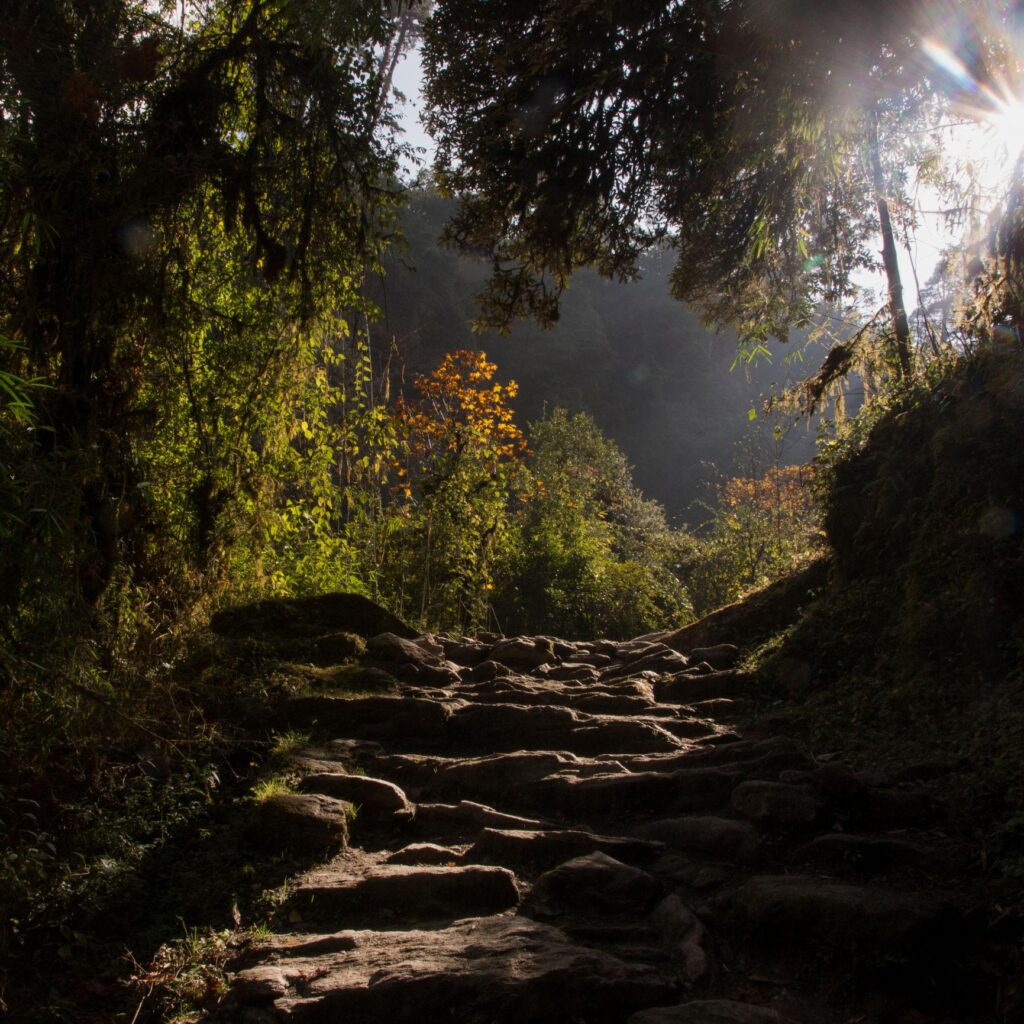
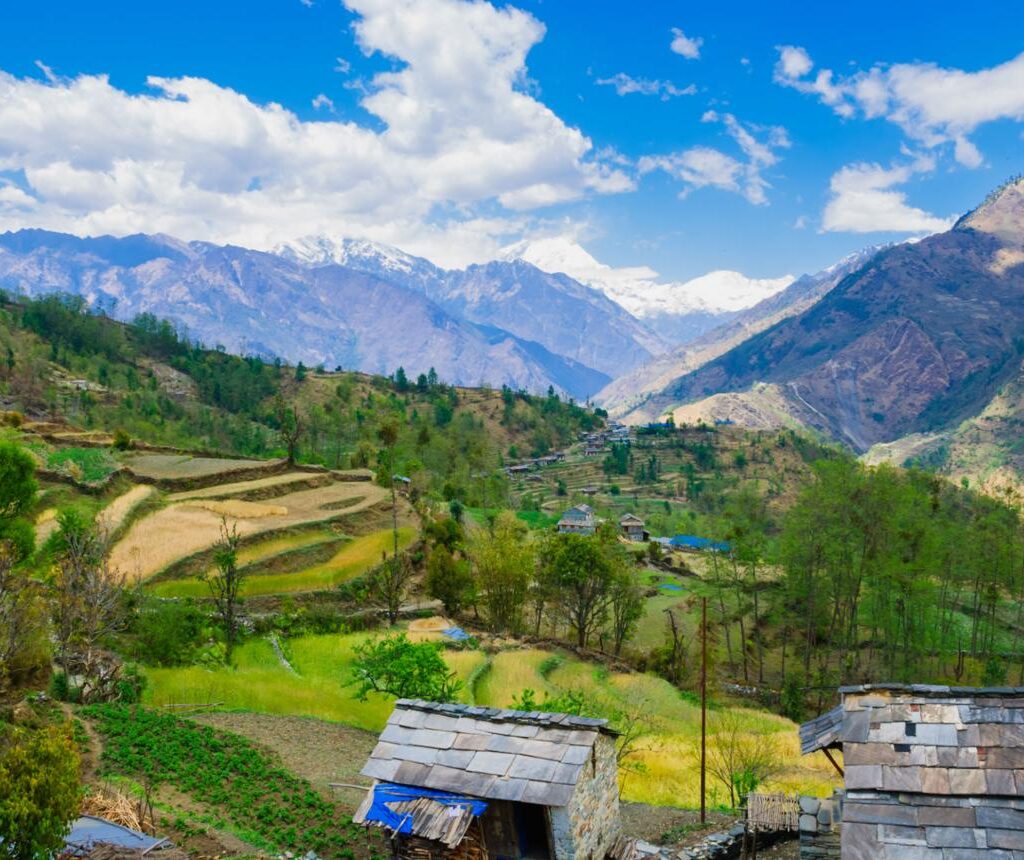
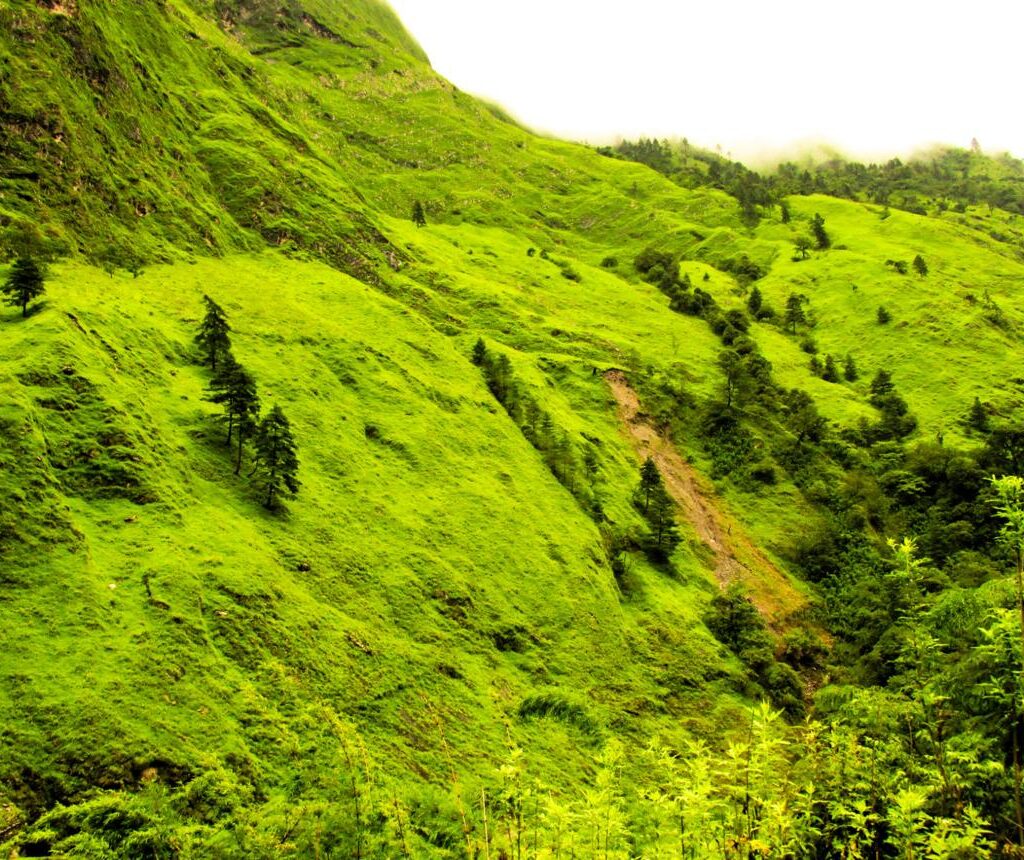
The trek usually begins in lower regions filled with:
- Green hills
- Terraced farms
- Flowing rivers
As you move higher, the scenery transforms dramatically into alpine landscapes and snow-covered peaks.
It feels like walking through multiple worlds in a single journey.
Entering the Himalayan Desert
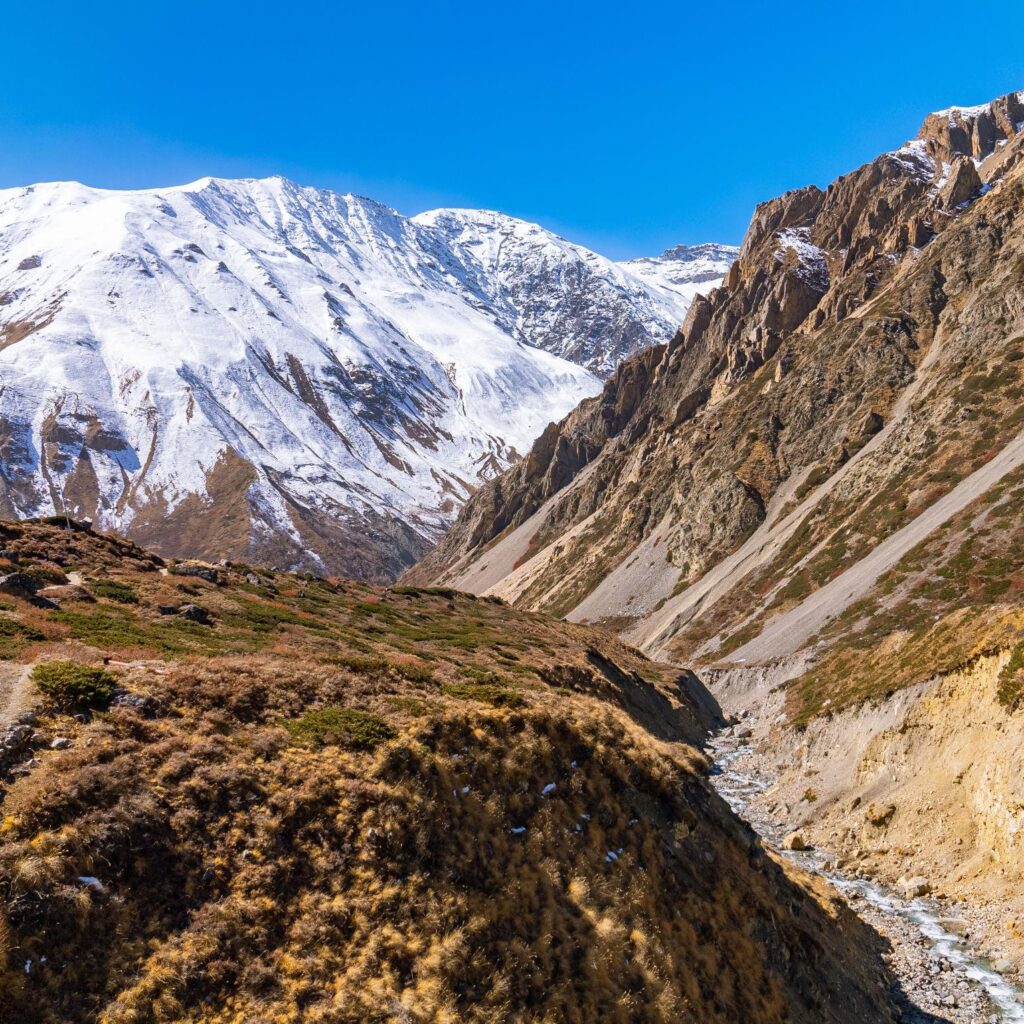
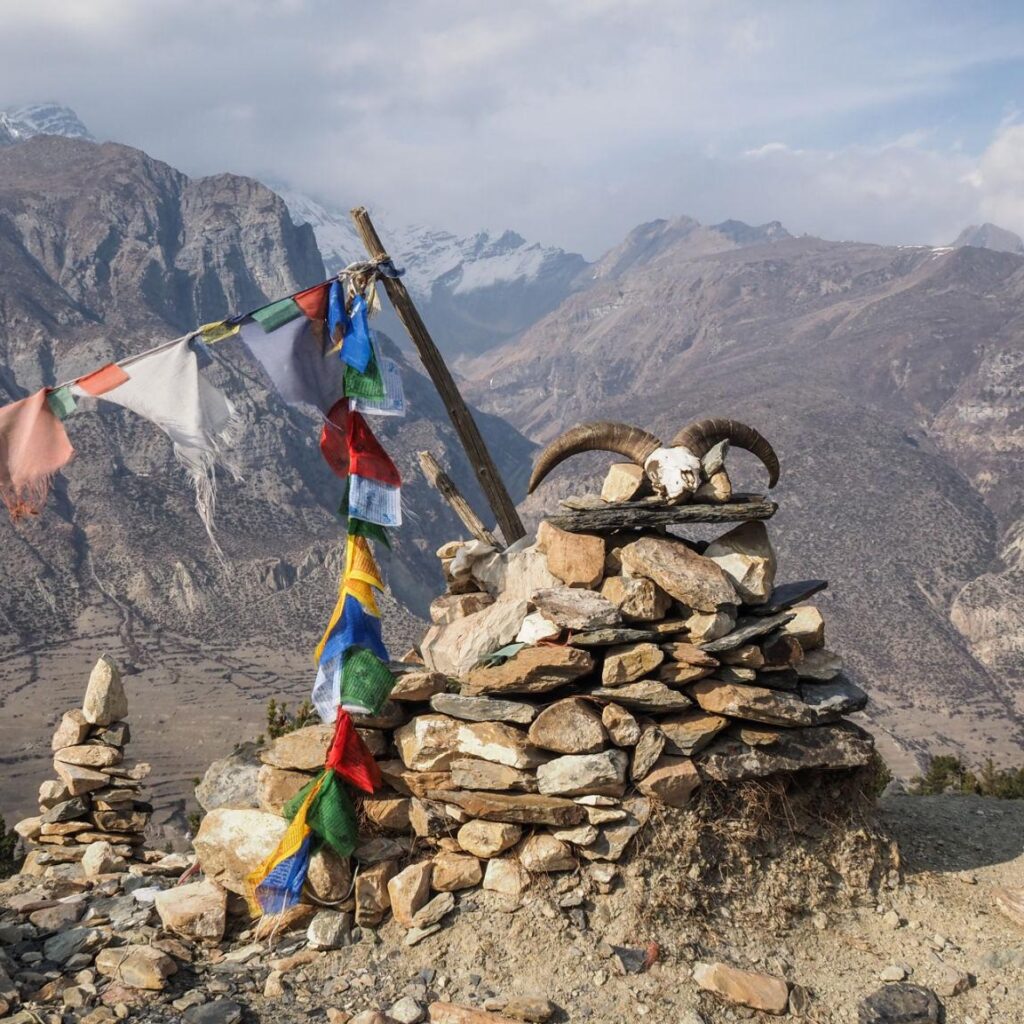
After crossing Manang, the environment becomes dry and rugged—similar to a desert.
This unique terrain is part of the rain-shadow area near Mustang, giving trekkers a completely different experience from typical green trails.
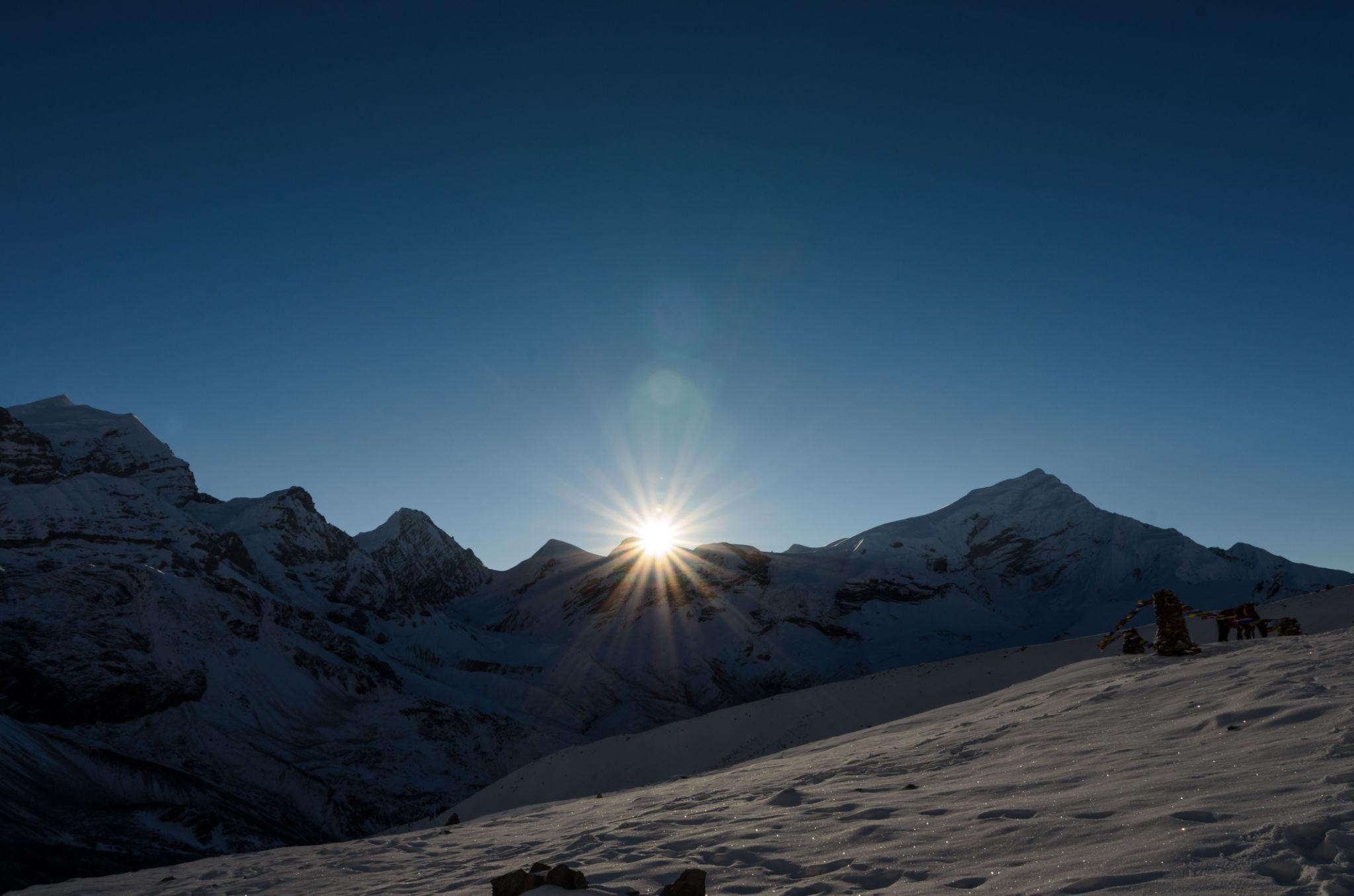
Crossing Thorong La Pass – The Ultimate Challenge
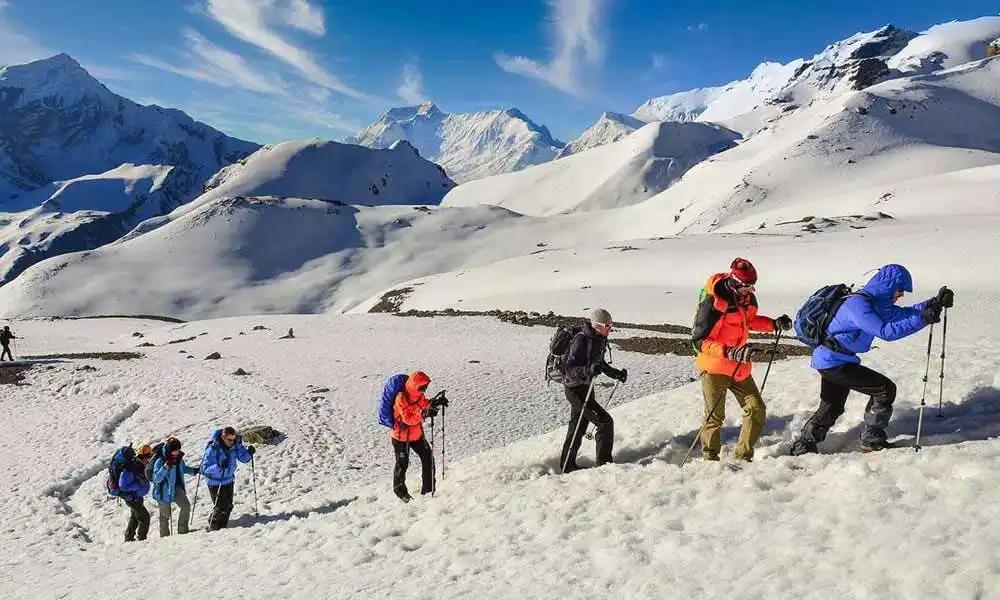
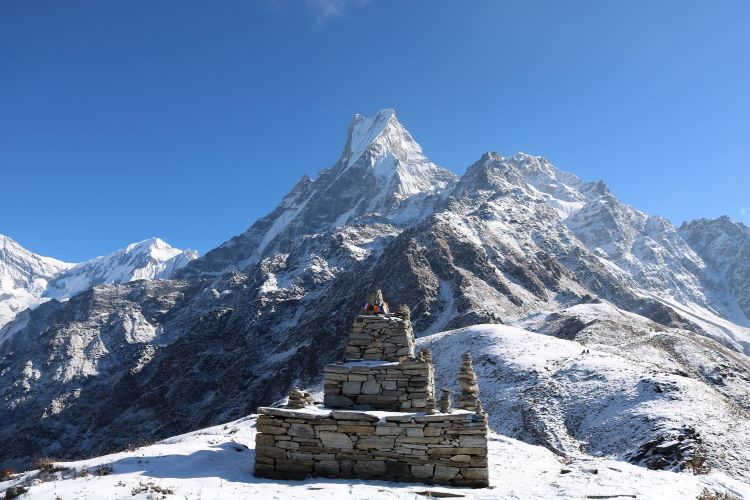
The highest point of the trek is Thorong La Pass (5,416m).
Challenges include:
- Thin air
- Freezing temperatures
- Steep climb
Reaching the top is one of the biggest achievements for any trekker.
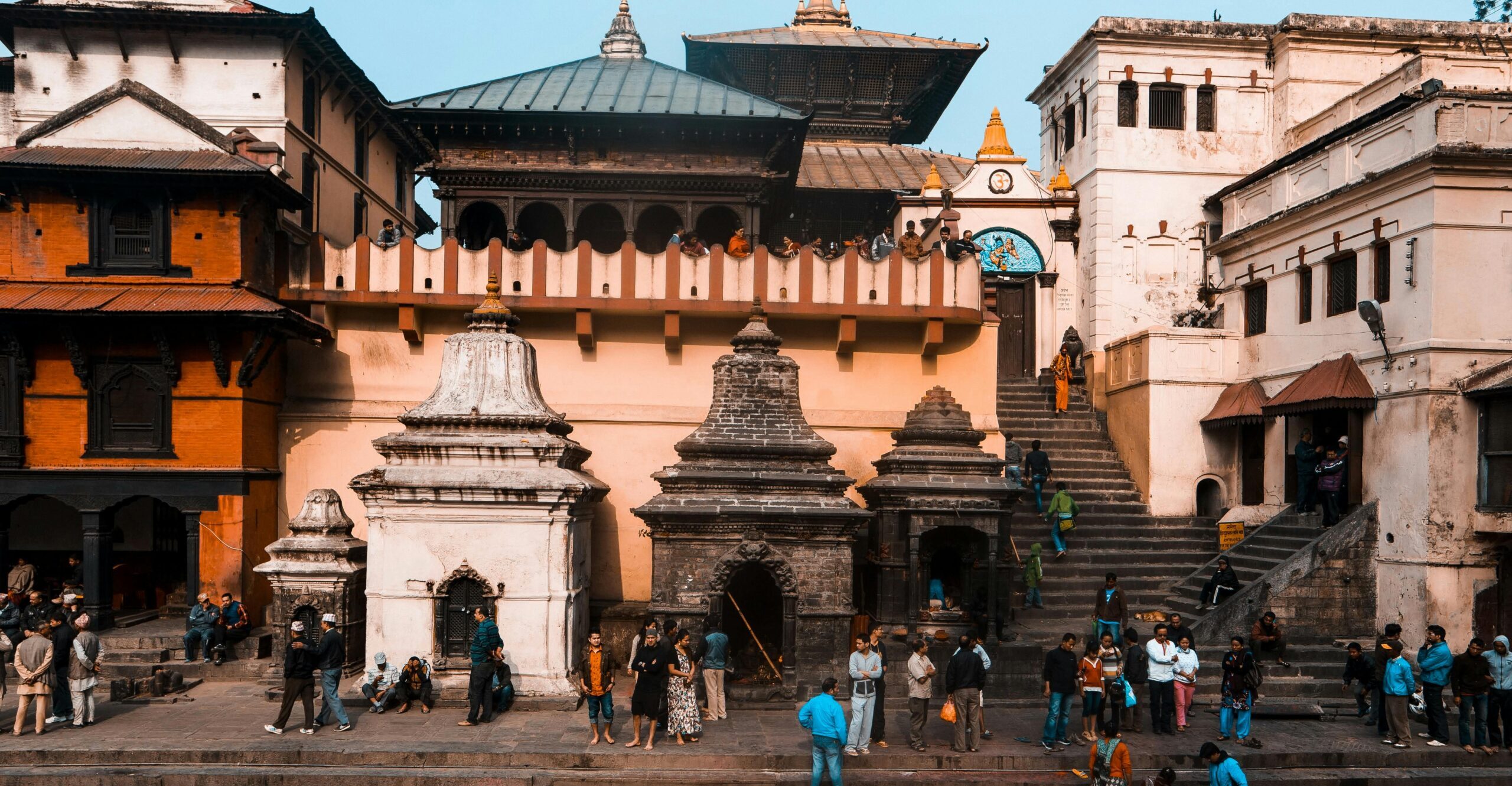
A Blend of Cultures and Traditions
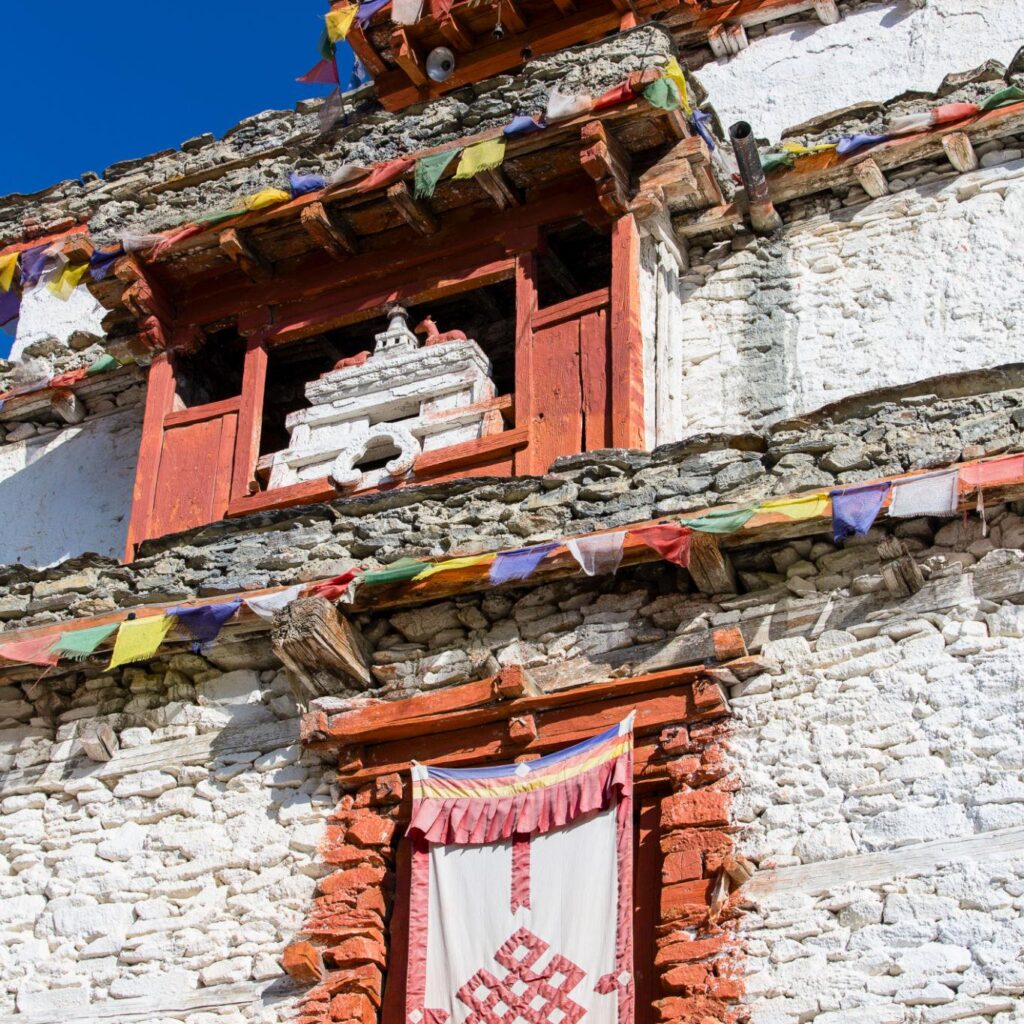
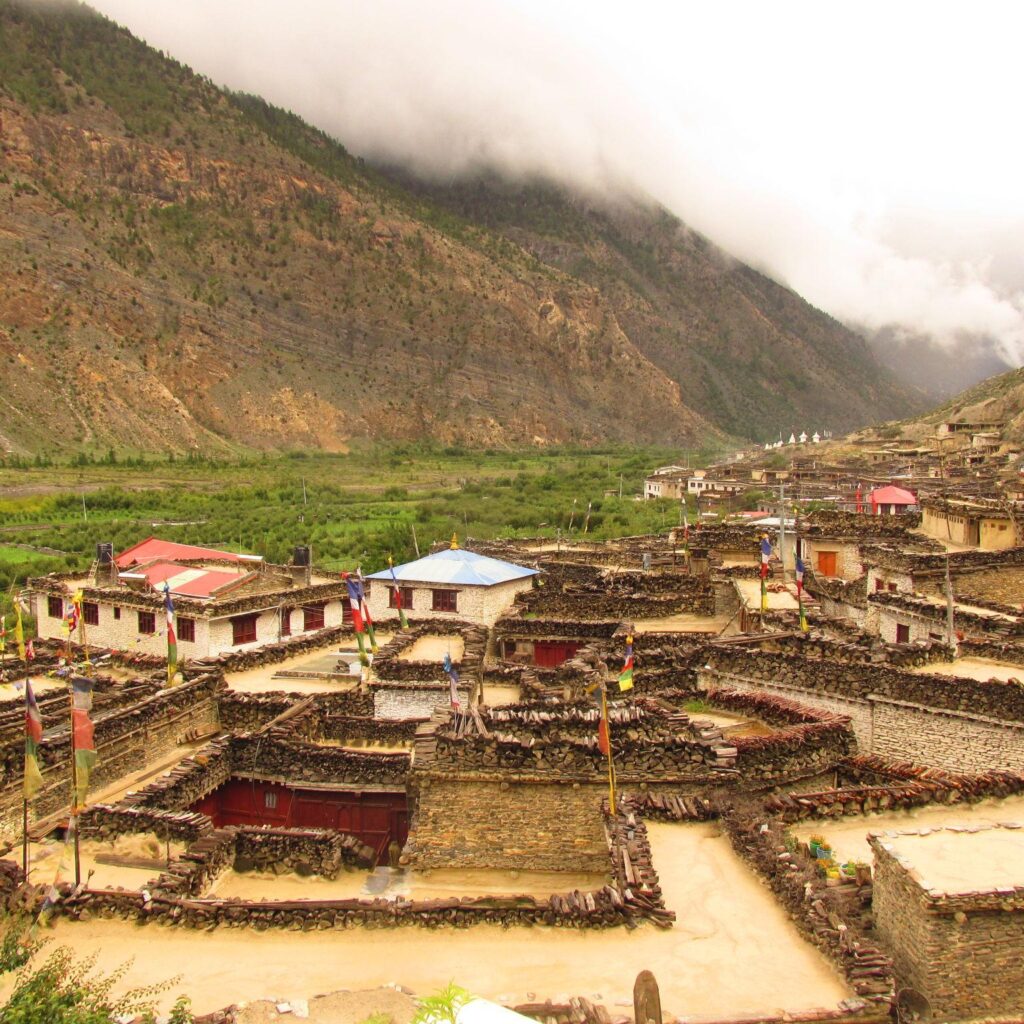
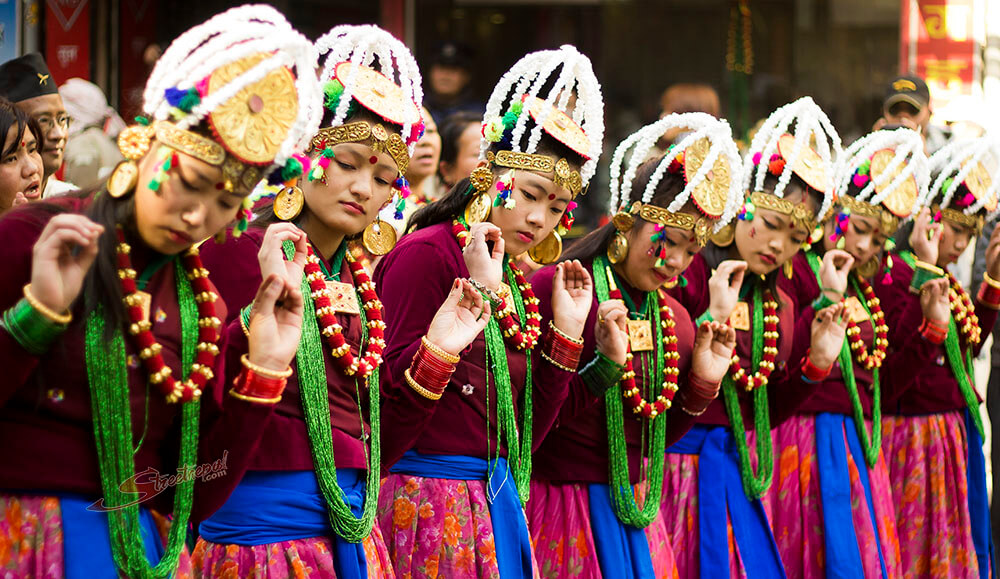
During the trek, you’ll pass through villages influenced by:
- Gurung culture
- Tibetan Buddhist traditions
In places like Manang, you’ll see monasteries, prayer flags, and unique lifestyles adapted to mountain living.
Food and Tea House Experience

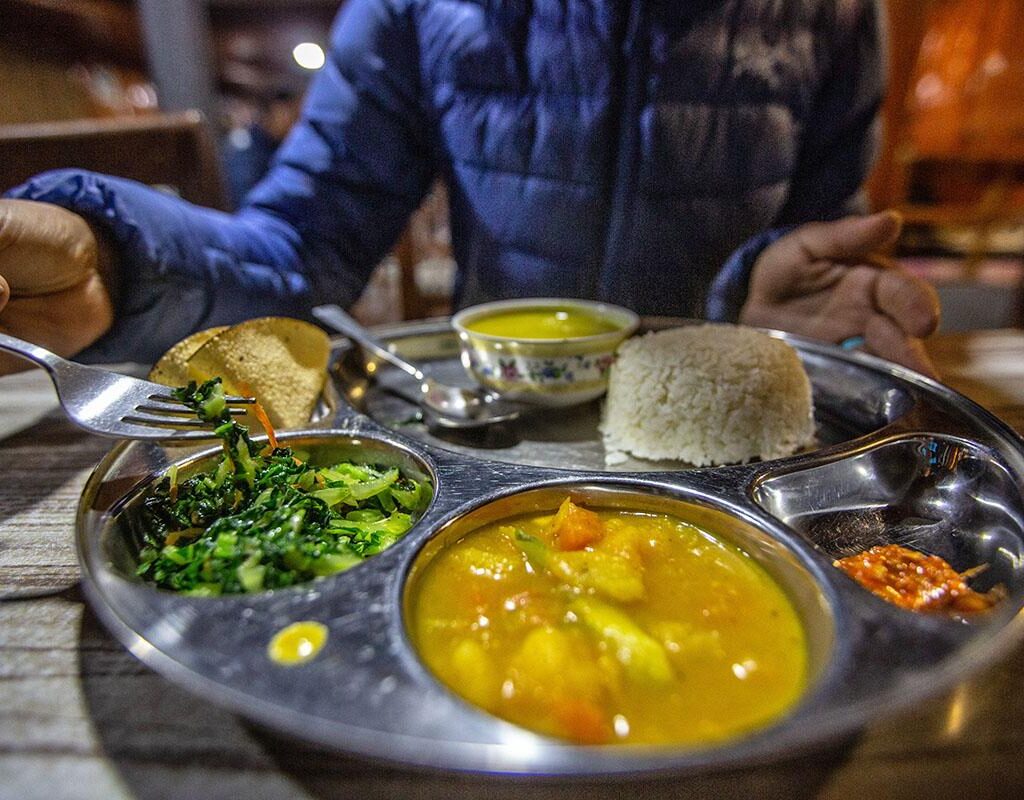
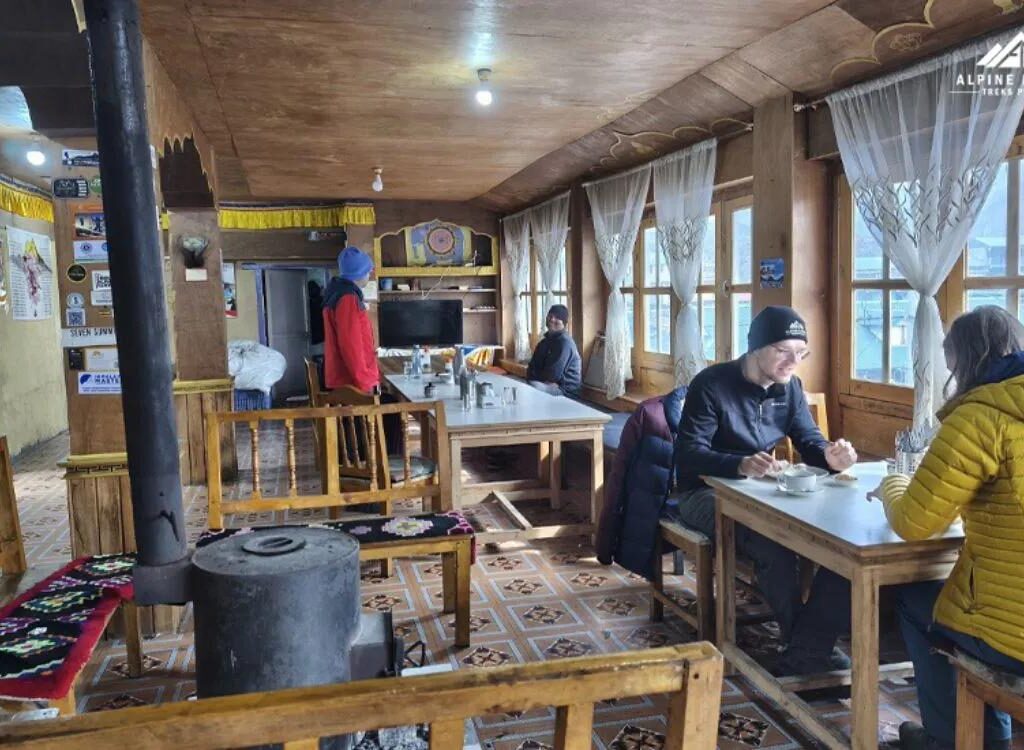
One of the highlights of the Annapurna Circuit is the tea house experience.
Popular meals:
- Dal Bhat (energy-rich and unlimited)
- Noodles and soups
- Tea and coffee
Food becomes comfort after long trekking days.
Changing Weather Conditions
Weather can vary greatly depending on altitude:
- Warm in lower regions
- Cold and windy at higher elevations
Trekkers must be prepared for sudden changes throughout the journey.
Why Annapurna Circuit Stands Out
Unlike shorter treks near Pokhara, the Annapurna Circuit offers:
- Diverse landscapes
- Cultural richness
- High mountain adventure
- A sense of complete journey
It’s often called the most complete trek in Nepal.
Plan your trip with trusted services from Atithi Trip Nepal for a smooth and comfortable journey.
FAQs – Annapurna Circuit Trek
1. How difficult is the Annapurna Circuit Trek?
The Annapurna Circuit is considered a moderate to challenging trek. It involves long walking hours and high altitude, especially when crossing Thorong La Pass.
2. How many days does the Annapurna Circuit take?
The full trek usually takes 12 to 18 days, depending on your route and acclimatization schedule.
3. What is the best time to do the Annapurna Circuit Trek?
The best seasons are:
- Spring (March–May)
- Autumn (September–November)
These months offer clear skies and stable weather in Nepal.
4. Do I need a guide for the Annapurna Circuit?
Yes, hiring a guide is recommended for safety and navigation. Recent regulations also encourage trekking with licensed guides.
5. What permits are required for the trek?
You need:
- ACAP (Annapurna Conservation Area Permit)
- TIMS Card (Trekkers’ Information Management System)
6. Is altitude sickness a risk on this trek?
Yes, altitude sickness can occur, especially above 3,000 meters. Proper acclimatization and hydration are important.
7. What kind of accommodation is available?
You will stay in tea houses, which provide:
- Basic rooms
- Food and drinks
- Warm hospitality
8. How much does the Annapurna Circuit Trek cost?
The cost depends on your style, but budget trekkers can expect:
- $20–$40 per day (basic)
- More if you hire guides/porters
9. Can beginners do the Annapurna Circuit Trek?
Yes, but beginners should:
- Train beforehand
- Take it slow
- Choose proper itinerary
10. Is there internet and electricity during the trek?
Yes, but:
- WiFi may be slow or paid
- Charging devices may cost extra