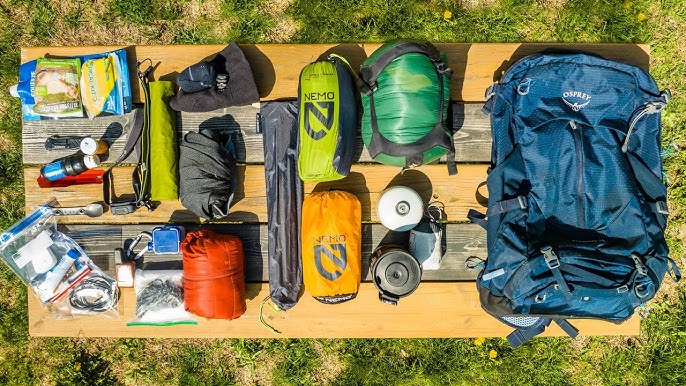
Trekking in Nepal is an unforgettable adventure, but what you pack can make or break your experience.
While beginners often carry too much or miss important essentials, experienced trekkers know exactly what to bring for comfort, safety, and efficiency. In this guide, you’ll discover what experienced trekkers pack that beginners don’t—so you can trek smarter, lighter, and better.
Layering System (Not Just Heavy Jackets)
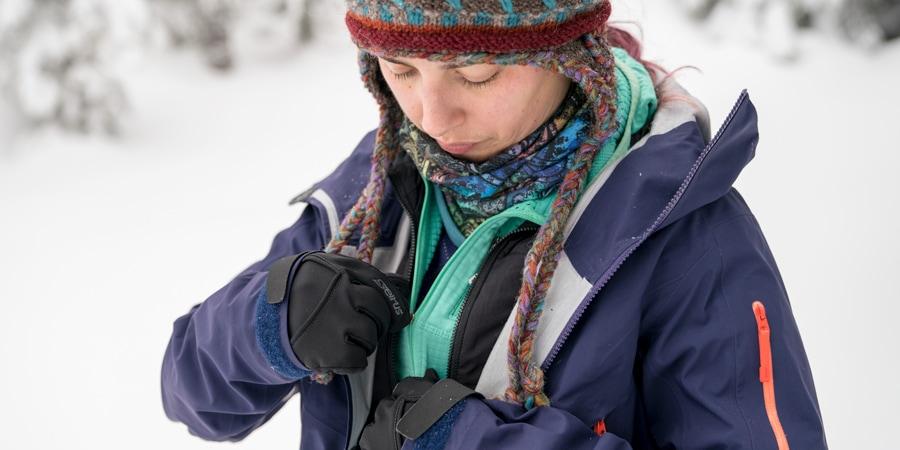

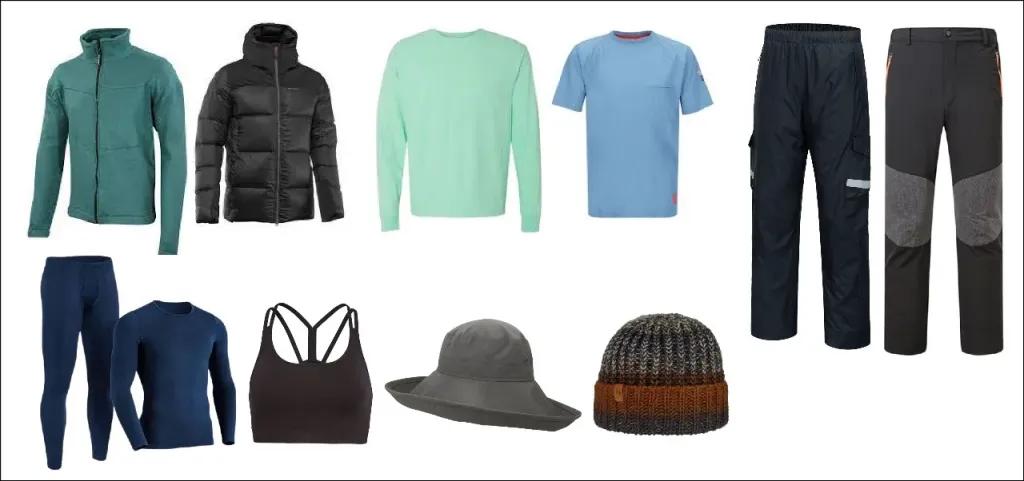
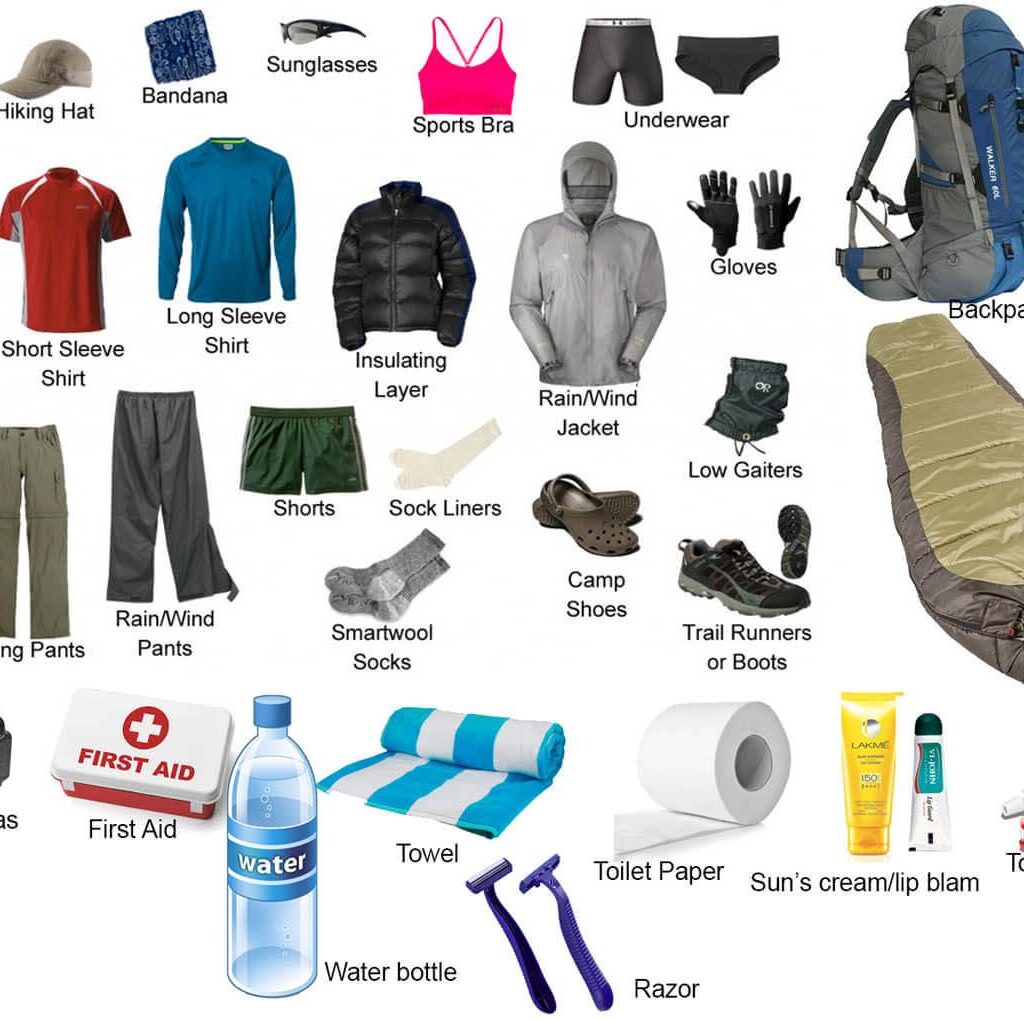
Beginners often pack one heavy jacket. Experienced trekkers use a layering system:
- Base layer (keeps sweat away)
- Mid layer (provides warmth)
- Outer layer (protects from wind/rain)
This helps adjust easily to changing weather in regions like Annapurna Region.
Water Purification Methods
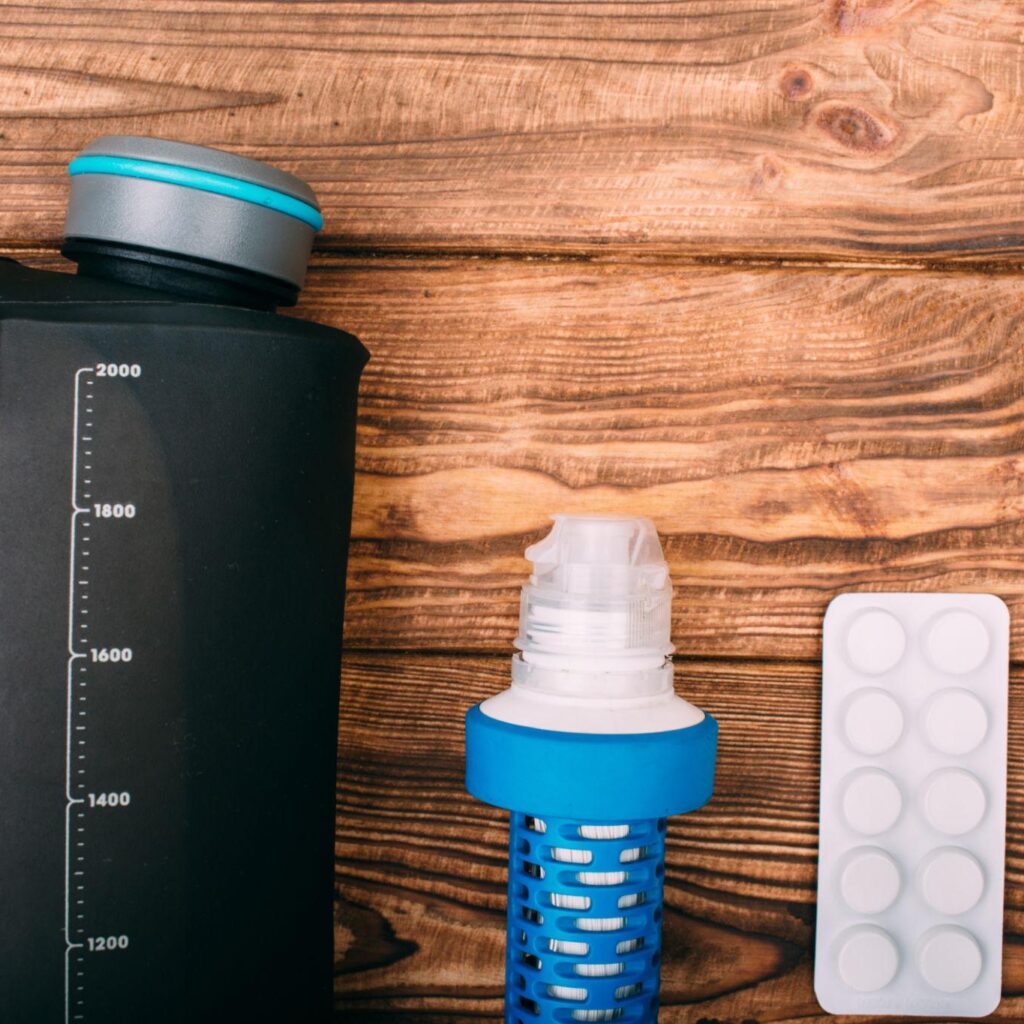
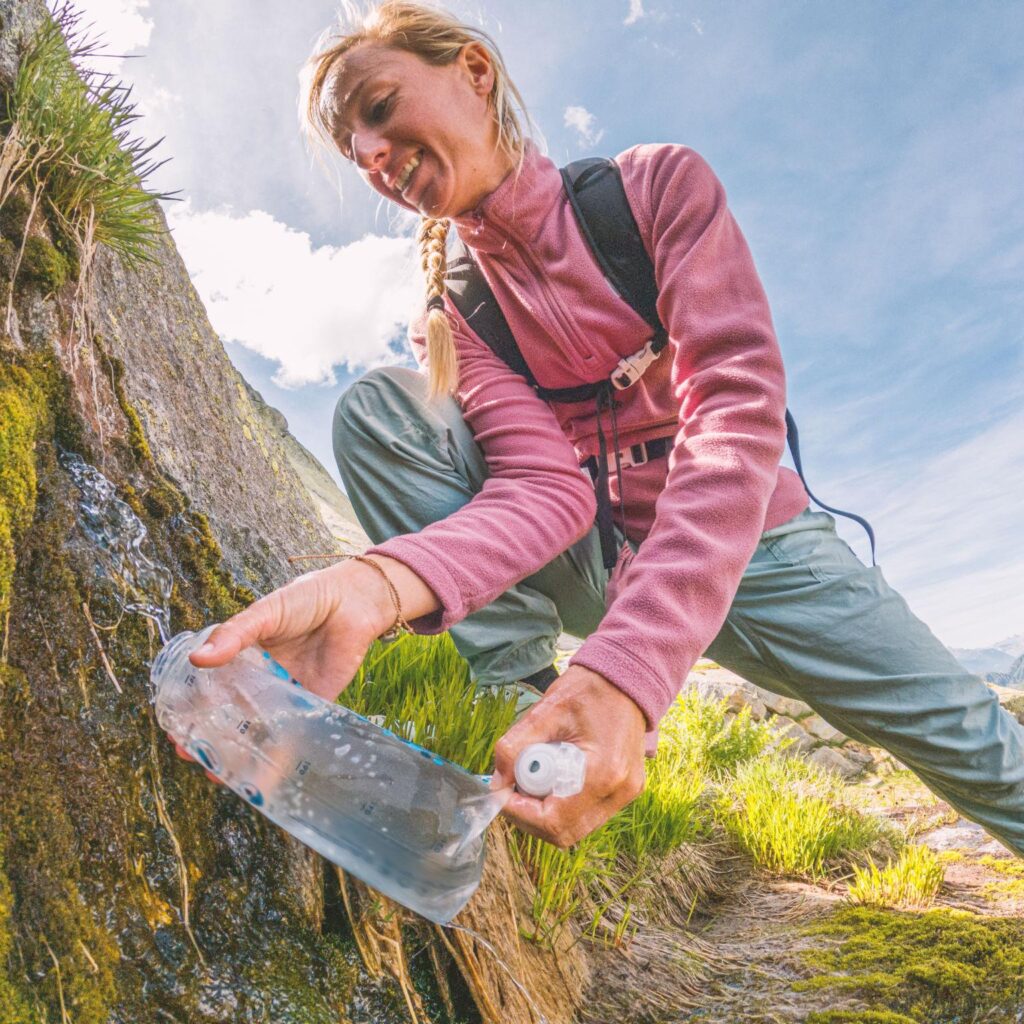
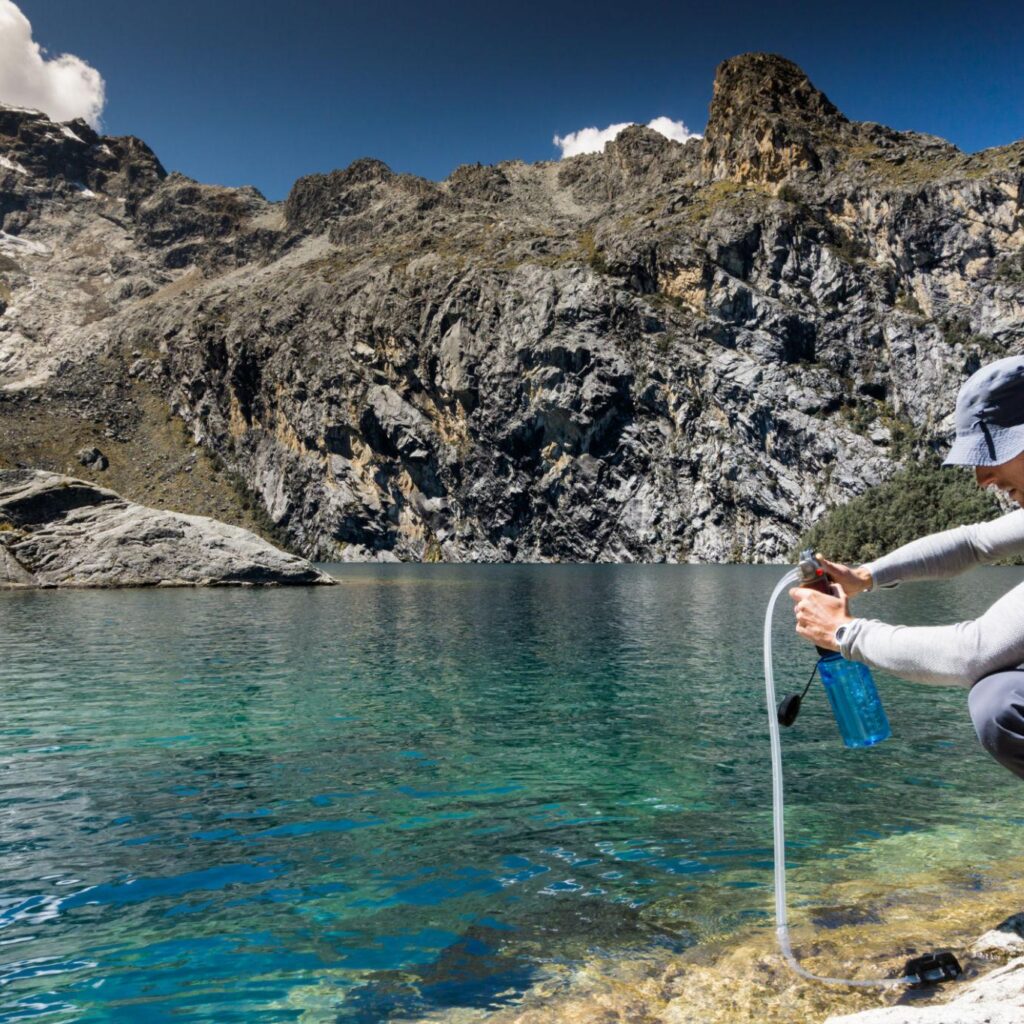
Instead of buying bottled water, experienced trekkers carry:
- Water purification tablets
- Filter bottles
Saves money and reduces plastic waste.
Lightweight & Multi-Use Gear
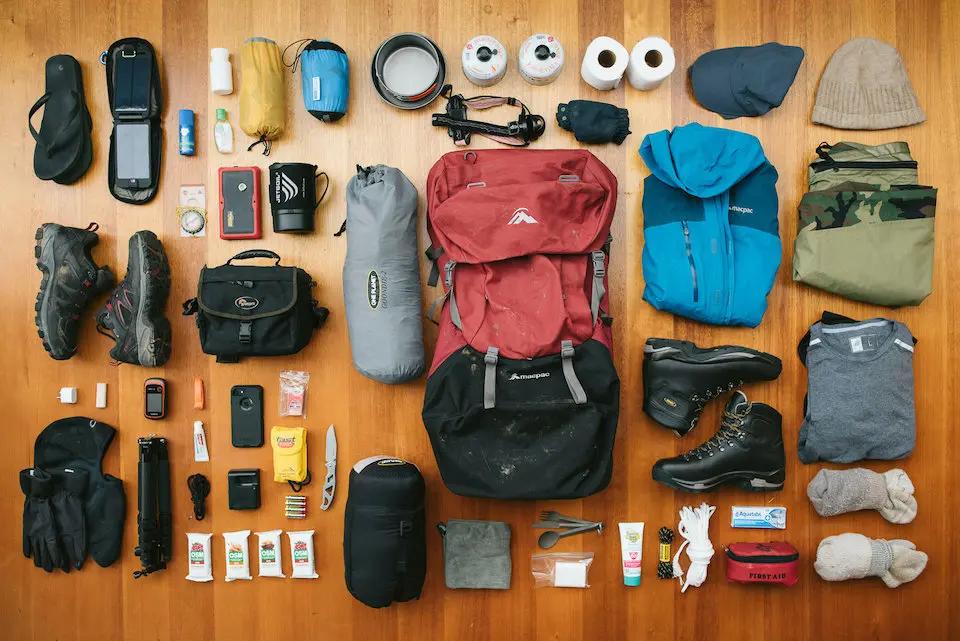
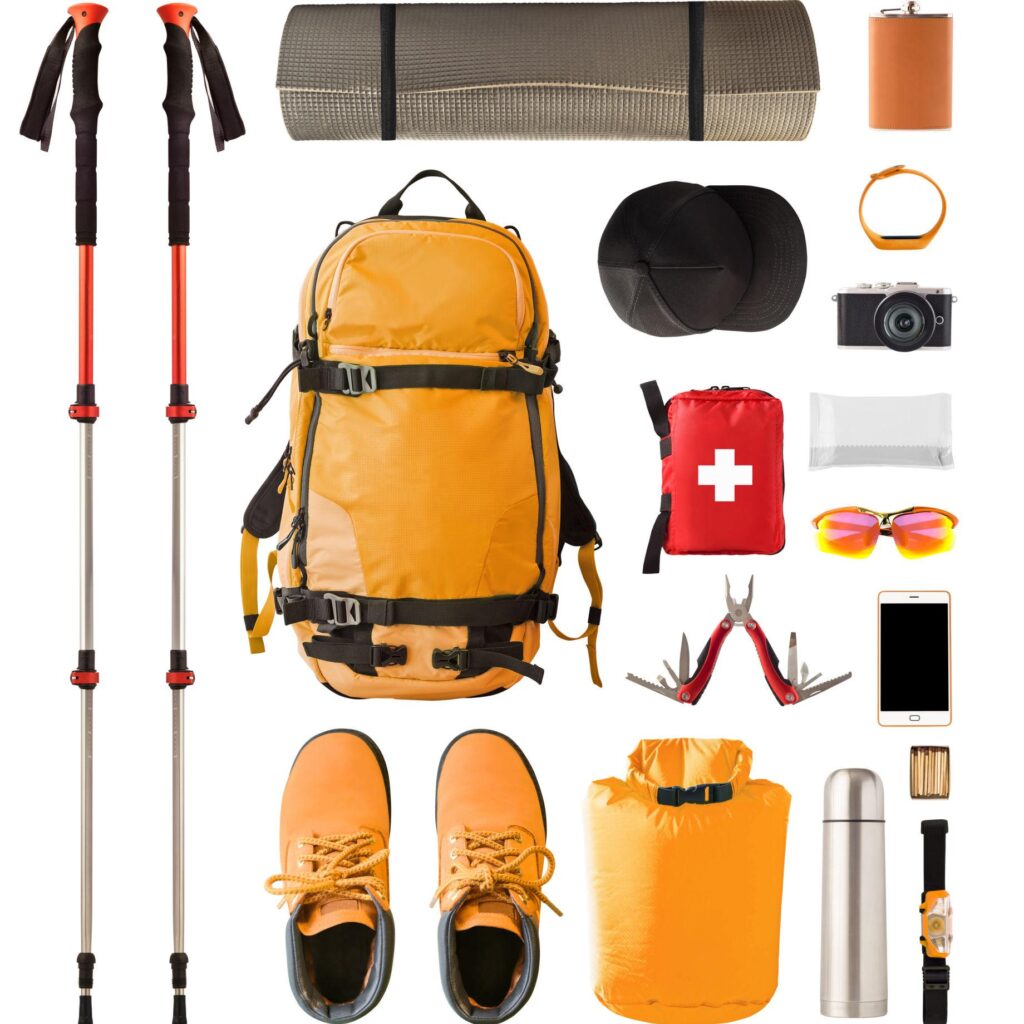
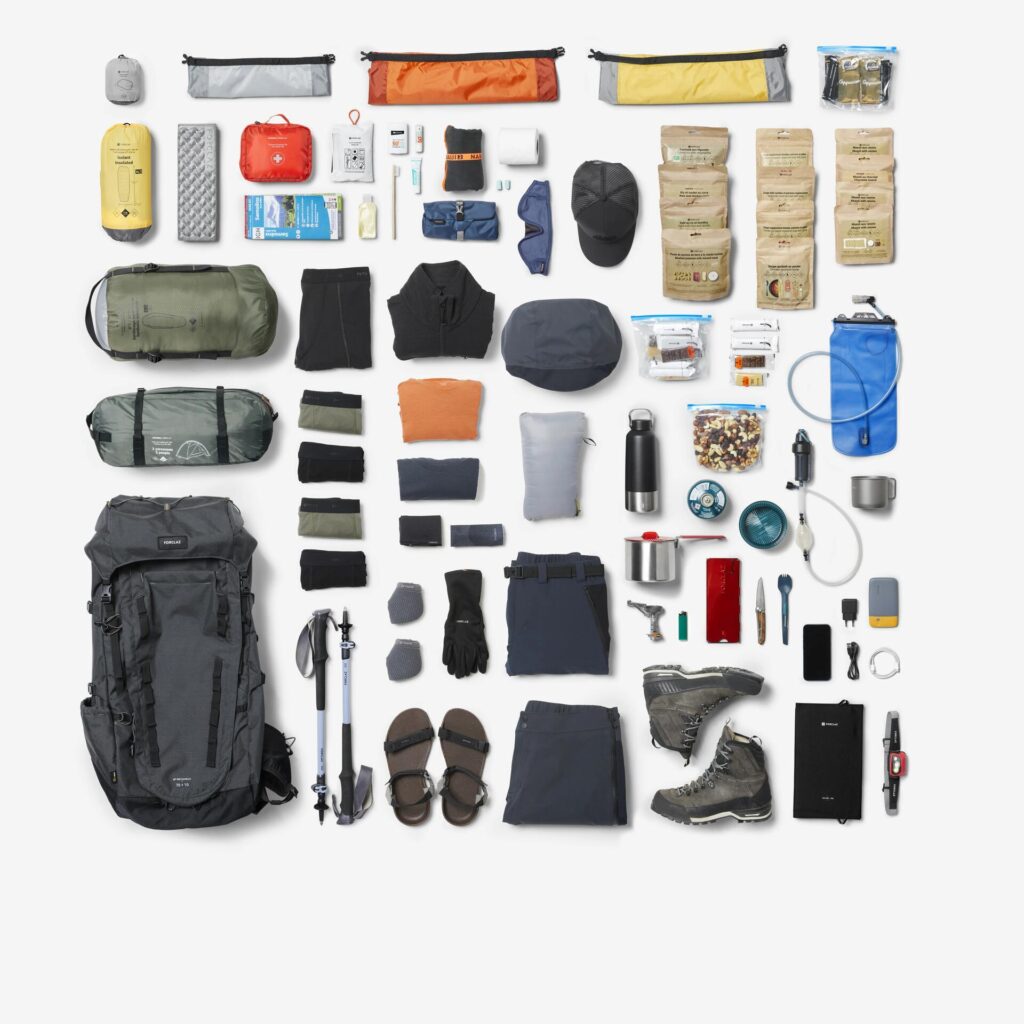
Experienced trekkers pack items that serve multiple purposes:
- Microfiber towel (light & quick dry)
- Buff (scarf, mask, headband)
- Lightweight gear
Less weight = easier trekking
Power Backup Essentials
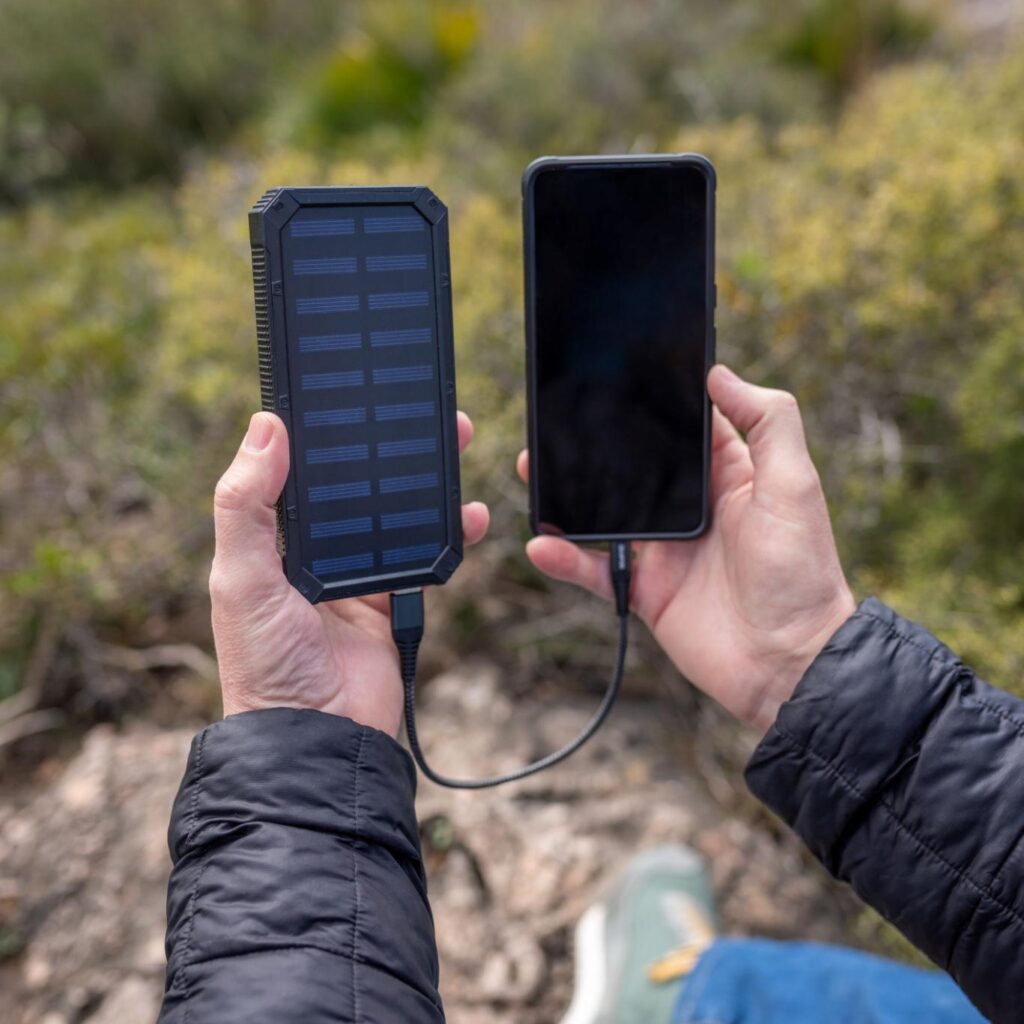
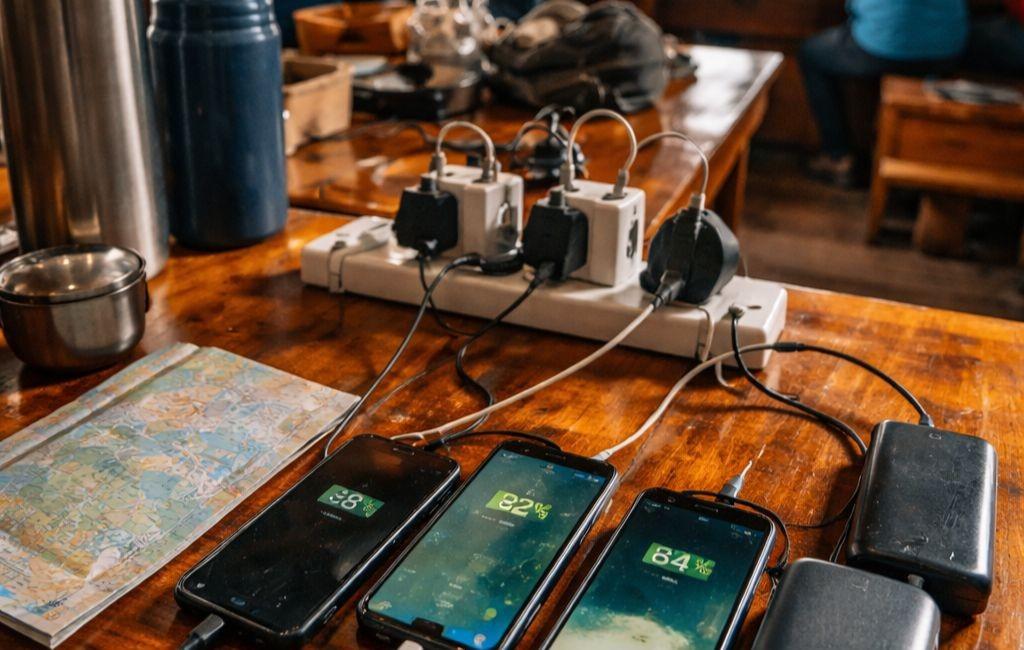
Electricity is limited on many routes like Annapurna Circuit.
Smart trekkers carry:
- Power bank
- Solar charger (optional)
Personal Care & Health Kit

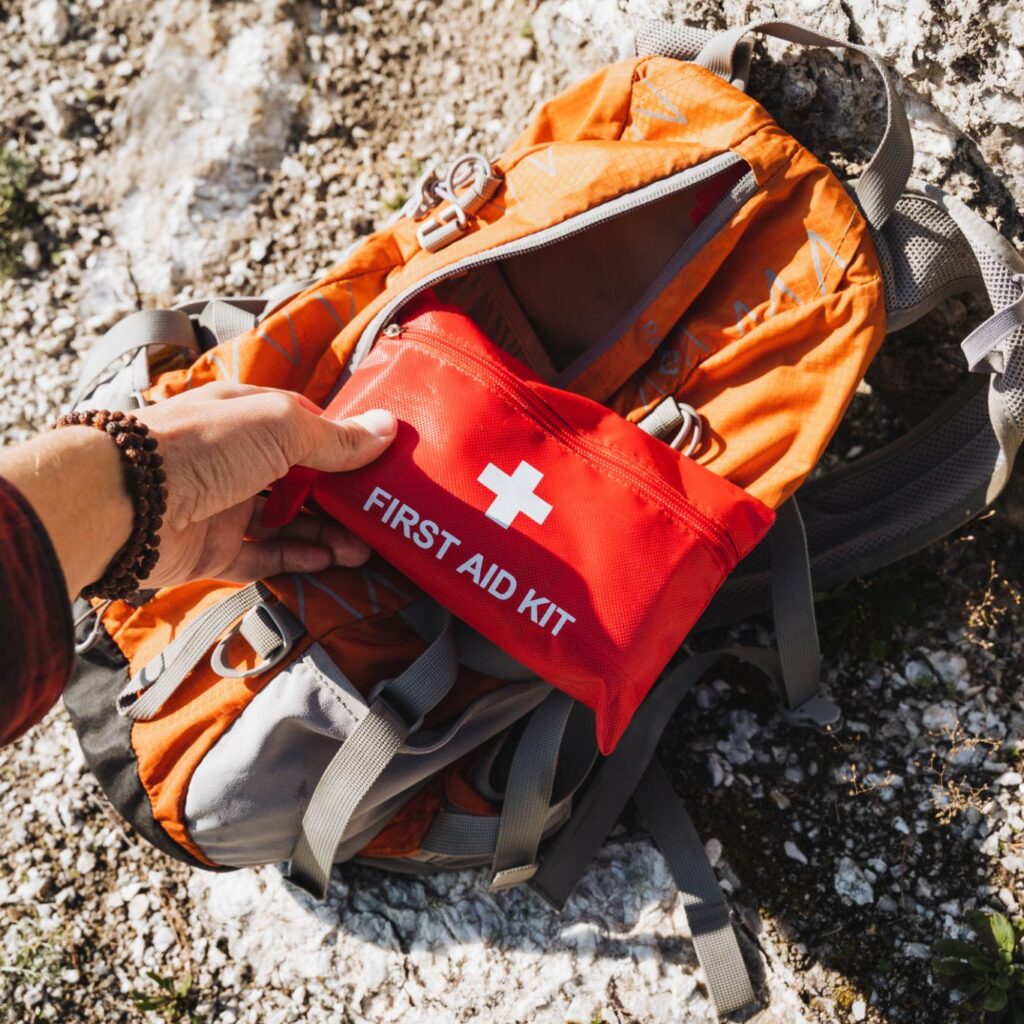
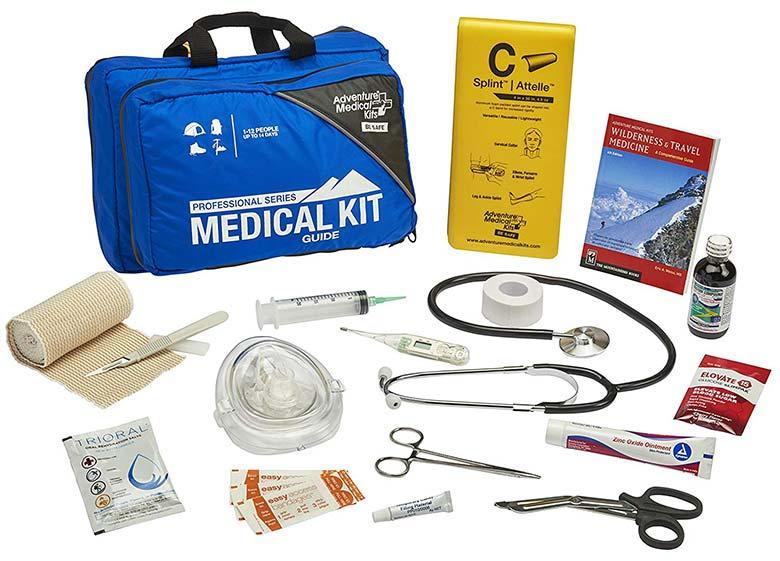
Beginners forget important health items. Experts carry:
- Sunscreen & lip balm
- Basic first aid kit
- Altitude sickness medication
Prevention is better than cure.
Energy Snacks
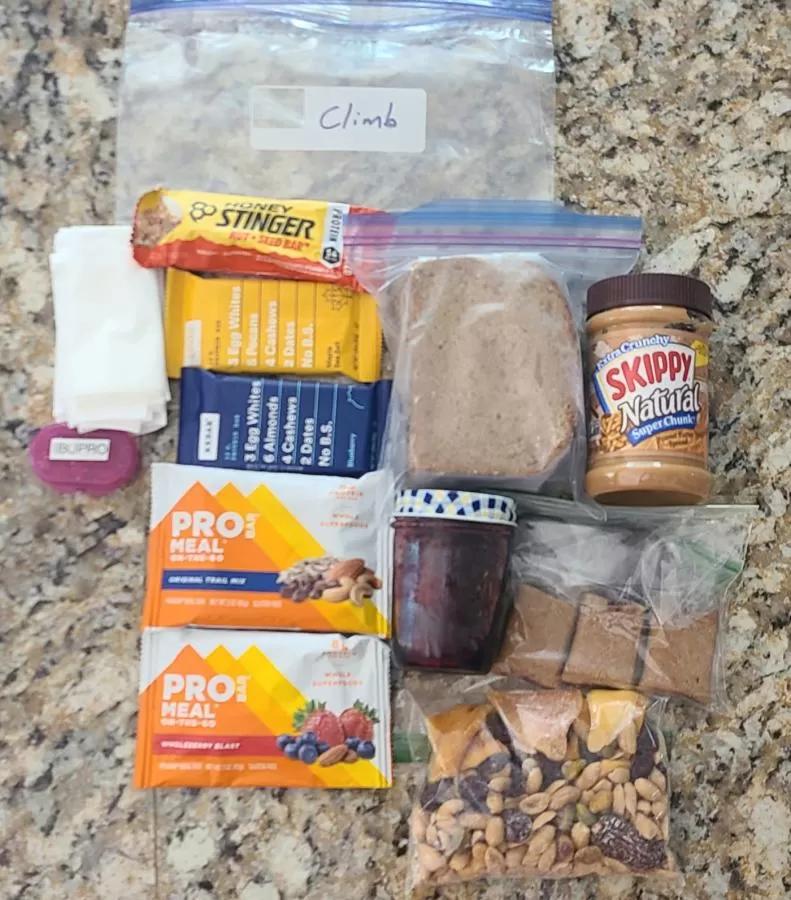
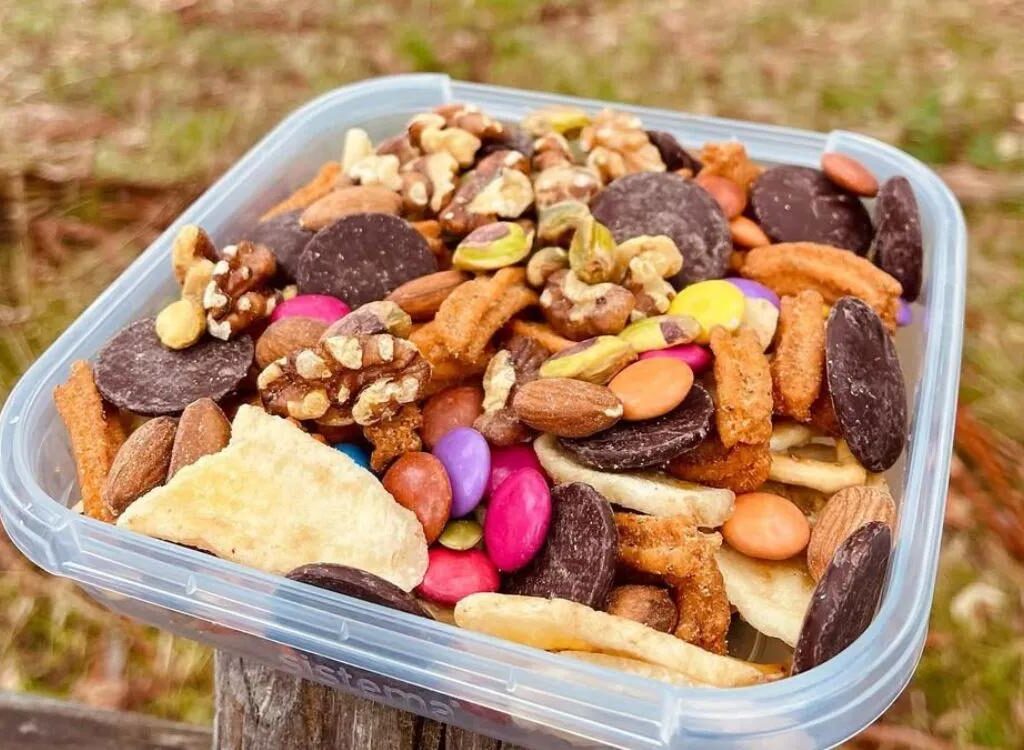

Instead of relying only on tea houses, experienced trekkers bring:
- Energy bars
- Nuts
- Chocolates
Quick energy during long walks
Packing Light (The Real Secret)
Experienced trekkers follow one rule:
Carry only what you truly need
Beginners often overpack, which leads to:
- Fatigue
- Slower pace
- Less enjoyment
Plan your trip with trusted services from Atithi Trip Nepal for a smooth and comfortable journey.
Trekking Packing FAQs
1. What do experienced trekkers pack for Nepal trekking?
Experienced trekkers pack lightweight gear, layered clothing, water purification tools, and essential health items for trekking in Nepal.
2. Why do experienced trekkers pack light?
They carry only essential items to reduce fatigue, improve comfort, and make trekking easier.
3. Is a water purifier necessary during trekking?
Yes, it helps ensure safe drinking water and reduces the need to buy bottled water, especially on routes like Annapurna Circuit.
4. What is the ideal backpack weight for trekking?
A trekking backpack should ideally weigh 8–12 kg for a comfortable journey.
5. What are the most commonly forgotten trekking items?
Items like sunscreen, lip balm, headlamp, and gloves are often forgotten but very important.